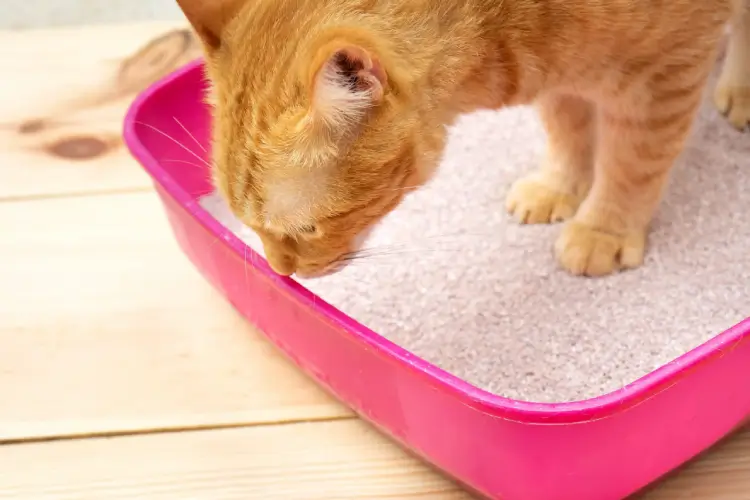
Why Has My Cat Stopped Using the Litter Tray? 12 Possible Reasons & How to Fix Them
If your cat has suddenly stopped using the litter tray, there could be several reasons why. They may dislike the litter, the tray or its location, feel stressed by a change at home, or have an underlying health problem.
You might notice your cat toileting elsewhere in the house, going next to the litter tray, or using the tray sometimes but not others. These changes can give you clues about what might be putting them off.
Here are 12 possible reasons why your cat has stopped using the litter tray, and what you can do about them.
1. First, rule out a health problem
Urinary problems, digestive upsets, constipation and sore joints can all change where a cat goes. A cat who links the tray with pain may keep avoiding it even after the problem has been treated.
Older cats are particularly at risk. Arthritis is common in senior cats and easy to miss because cats hide pain well. It can make climbing into a high-sided tray uncomfortable, or make squatting painful. Cognitive decline can also lead older cats to forget where the tray is, or to have accidents.
Watch for straining, more frequent trips, very little urine, diarrhoea, constipation, crying or any sign of pain.
What you can do: Speak to your vet if the change is sudden or there are signs of pain or difficulty urinating. Older cats with arthritis or reduced mobility do better with lower-sided trays. Put trays on every level your cat uses and keep them close to where they rest.
2. The litter tray isn’t clean enough
Cats can be very particular about where they toilet. If the litter tray is dirty or has a strong smell, your cat may decide that somewhere else in the house is a better option.
If your cat consistently uses the tray when it has just been cleaned but starts toileting elsewhere as it becomes soiled, cleanliness could be part of the problem.
What you can do: Remove faeces and urine clumps at least twice a day, and scoop more often if you have multiple cats. Completely empty and wash the tray every 2-4 weeks with clumping litter, or weekly with non-clumping litter, replacing any soiled litter with fresh. If you want an additional way to manage litter odours between changes, choose an effective odour control.
3. The litter tray is too small
Your cat needs enough room to comfortably get into the tray, turn around and find a position they are happy with. If the tray feels cramped, they may start looking for somewhere with more space.
This can be important if your cat has grown since you first bought the tray, or if you have a larger breed.
What you can do: Measure your cat from the tip of their nose to the base of their tail, then choose a tray about 1.5 times that length. Rectangular trays give more usable space than corner or oval ones. If your cat often goes beside the tray, size is a good thing to check first.
4. The litter tray is in the wrong place
Cats want somewhere quiet, private and safe. A tray next to a washing machine, in a busy hallway, near food bowls, or where another pet can ambush them may be avoided. According to International Cat Care, cats are often reluctant to use trays near cat flaps or large windows because they feel threatened by what’s outside.
Distance matters too. If your cat spends the day upstairs and the tray is downstairs, an accident may simply be down to convenience.
What you can do: Move the tray somewhere calm and easy to reach, away from food, water and noisy appliances.
5. Your cat doesn’t like the litter
Cats have strong views about texture, scent and dust. Preferences develop early in kittenhood, so cats often stick with what they grew up with.
There are several types of cat litter to choose from, including clumping and non-clumping litter, as well as materials such as wood, corn, wheat and clay. They can differ in texture, absorbency, how they handle odours and how easy they are to clean, so your cat may simply prefer one type over another.
Some cats may also dislike strongly scented litter. What smells fresh to us can be quite different from what your cat experiences.
What you can do: If you’ve recently changed the litter, try switching back to the previous type or introduce the new litter gradually (mix a little new litter into the old over several days). If your cat still avoids the tray, you may need to try a different texture or type to find one they prefer. Try an unscented option If strong fragrance seems to be the issue.
6. A kitten or newly adopted cat still learning
Kittens and cats in a new home may not know where to go yet, or may be too anxious to look for the tray. Cats adopted from shelters or from outdoor lives may have different habits.
What you can do: Help them find the tray after meals and naps, keep it somewhere quiet and easy to find, and find out what litter they used before. Reward success and don’t punish accidents.
7. There isn’t enough litter in the tray
Some cats like to dig and cover what they’ve left behind, so the amount of litter in the tray can affect how comfortable they feel using it.
If there isn’t enough litter to dig into and cover their waste, your cat may become reluctant to use the tray or start looking for another place to go.
What you can do: Aim for around 5 cm of litter, or follow the depth recommended on the packaging for your chosen litter. The ideal depth can vary between litter types and individual cats, so check the product guidance rather than simply adding more.
8. The style of the tray doesn’t suit them
This one is about the type of tray rather than its size. Many owners choose covered trays for privacy and to keep smells in. But trapped odour means waste may be removed less promptly, and some cats feel vulnerable shut in with only one way out, especially in multi-cat homes. Large cats may find small hooded trays cramped. Flaps can put cats off too.
Other culprits are polythene liners, which can catch claws, and scratched or worn plastic that holds smells. Self-cleaning trays can startle cats with unexpected movement and noise, and many are on the small side.
What you can do: Offer an open tray alongside the current one and see which your cat picks. If you use a covered tray, remove the flap. Take out liners, replace old or scratched trays, and avoid self-cleaning models if your cat seems nervous of the noise.
9. Not enough trays, or trays that are hard to share
Sharing a litter tray isn’t always straightforward, particularly in multi-cat households. One cat may avoid a tray if another cat is regularly using it, guarding access to it or making the area feel unsafe.
You don’t always need to see an obvious fight. A cat waiting near the tray, following another cat to it or simply blocking access can be enough to make the other cat look elsewhere.
What you can do: Provide one tray per cat plus at least one extra. Spread them around the home rather than grouping them together. Trays side by side effectively count as one to your cats, because one cat can block access to all of them. If one cat guards the hallway, put another tray in a quiet room that can be reached without walking past them.
10. Your cat is stressed or has developed a negative association with the tray
Changes in your cat’s environment can affect their toileting habits. Moving house, introducing a new pet, changes to their routine, visitors or hearing outdoor cats can make a cat feel their territory is under threat.
Sometimes a cat can also start avoiding their litter tray after an unpleasant experience. They may have experienced pain while toileting, been startled by a loud noise or been disturbed by another pet while using the tray.
This can mean your cat continues to avoid the tray even after the original problem has gone away.
What you can do: Keep routines predictable, and give your cat quiet hiding places and high perches. Put the tray somewhere calm. Block the view of outside cats from windows if that seems to be the trigger. Some owners may find pheromone diffusers helpful so ask your vet for advice. Never punish your cat. It adds to the stress and can make things worse.
11. Your cat could be marking instead
Finding a mysterious patch of urine on the wall, door or furniture is a very different problem from finding a puddle on the floor. Your cat may not be avoiding the litter tray at all. They could be marking their territory.
Cats usually spray small amounts of urine onto vertical surfaces, often while standing with their tail raised. Marking can be triggered by changes in the home or the presence of other cats, particularly if your cat feels their territory is under threat.
What you can do: Don’t punish your cat for marking. Instead, look for possible triggers, such as another cat outside, a new pet or changes at home.
Give your cat a quiet, secure space and make sure they have easy access to a clean litter tray. Clean marked areas with a pet-safe enzymatic cleaner (not the products you use on the tray, and not ammonia-based ones). Speak to your vet if the behaviour is new or continues.
12. The cleaning products could be putting your cat off
You might think a strong-smelling cleaning product means a fresher litter tray, but your cat may not agree. Lingering fragrances or harsh smells around the tray could make the area less appealing.
What you can do: Use hot water and a biological detergent, avoid heavily scented products, then rinse thoroughly and dry completely before refilling. Avoid disinfectants containing phenols or other ingredients that are toxic to cats, unless your vet has specifically recommended a suitable product.
What about SilverFresh Technology?
If odour is part of the problem, the type of litter you choose can make a difference. Felight’s SilverFresh technology uses the antibacterial properties of silver to help control odours in the litter and keep the tray feeling fresher for longer.
For example, Felight Ultimate Performance Ultra Clumping Cat Litter combines SilverFresh technology with fast-acting absorption and clumping, helping to lock in odours for up to 10 days. The non-clumping version also uses SilverFresh technology alongside fast absorption and odour control.
SilverFresh isn’t a solution for every reason your cat might avoid their litter tray. Your cat’s health, litter preference, tray size, location and overall environment all matter too. The aim is to create a litter area that is clean, comfortable and suitable for your individual cat.
Explore the Felight cat litter range.
Frequently Asked Questions
Why does my cat use the litter tray sometimes but not others?
Common reasons are a tray that’s become dirty, another cat blocking access, or discomfort that comes and goes. Notice whether accidents happen after the tray has been in use for a while, or only at certain times of day, as that’s a useful clue to share with your vet.
My cat wees in the tray but poos elsewhere (or the other way round). Why?
Wee and poo problems can have different causes. Pooping outside the tray can be linked to constipation, digestive upset, a tray that’s too small or hard to climb into, or sore joints. Peeing outside it is more often linked to urinary problems, stress or a dislike of the litter. Mention which one you’re seeing when you speak to your vet.
How do I stop my cat peeing in the same spot again?
Clean the area with a pet-safe enzymatic cleaner and avoid ammonia-based products, which smell similar to urine. Then work out why your cat is going there, rather than just cleaning up. Placing a clean tray nearby can help while you find the cause.
My older cat is having accidents. Is it just age?
It might be linked to age, but don’t assume so. Arthritis, kidney problems and other health issues are common in older cats and can cause accidents, so a vet check is a good idea. A tray with lower sides and trays on every level your cat uses can help.
Bottom line
There isn’t always one simple reason why a cat stops using their litter tray. It could be the tray, the litter, the location, a change at home or something affecting their health.
Start with the basics: rule out a health problem first, keep the tray clean, make sure it’s easy to access, choose a litter your cat is comfortable with and give them a quiet place to toilet without being disturbed.
Most importantly, don’t punish your cat for toileting elsewhere. Instead, try to work out what they’re telling you. Once you find the reason, you can make the right changes to help them feel comfortable using their litter tray again.