Clumping vs Non-Clumping Cat Litter: Which Is Best for Your Cat?
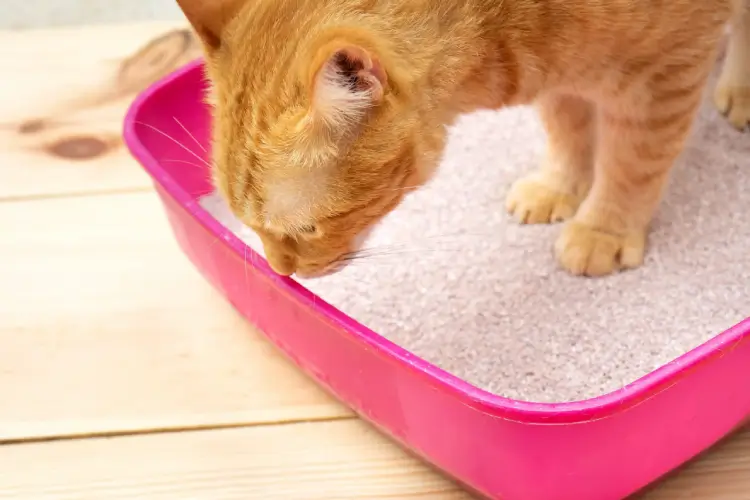
Choosing between clumping and non-clumping cat litter can be surprisingly tricky. Both types are designed to help keep your cat’s litter tray clean, but they handle urine differently, which can make a difference to cleaning, odour control and everyday maintenance.
Clumping cat litter forms solid clumps around urine that can be scooped away, while non-clumping cat litter absorbs urine without forming a removable clump. But that doesn’t automatically make clumping the better choice.
The best cat litter depends on your cat’s individual preferences, age, the litter material and texture, and what works best for your household. In this guide, we’ll explain the differences between clumping and non-clumping cat litter, including the pros and cons of each, to help you choose the right option for your cat.
What is clumping cat litter?
Clumping cat litter is designed to form a solid clump when it comes into contact with urine. The granules absorb the moisture and bind together, making the soiled area easy to scoop out of the litter tray. This means you can remove the used litter without having to empty the entire tray each time.
The main benefit is convenience. Instead of removing urine-soaked litter across the tray, you can target the areas that have been soiled, while leaving the surrounding litter in place. Regularly removing these clumps, along with solid waste,keeps the tray cleaner for longer. As you scoop, top the tray up with fresh litter to maintain a depth of around 5cm.
Clumping litter is available in different materials and textures, so choosing a clumping litter doesn’t tie you to one material. For example, Felight’s Ultimate Performance Ultra Clumping Cat Litter is made from natural clay, while our Natural Corn Ultra Clumping Cat Litter is a lightweight, plant-based option.
What is non-clumping cat litter?
Non-clumping cat litter is designed to absorb urine without forming a solid, removable clump. Instead, the liquid is absorbed into the litter, while solid waste can still be removed with a scoop.
The main difference is what happens to the urine after your cat uses the tray. Rather than concentrating the moisture into one scoopable area, non-clumping litter absorbs it within the litter itself. So instead of scooping urine out, you replace the litter as part of your regular routine, following the instructions for the specific product.
Non-clumping litter is available in a range of materials and textures, including granules and pellets. Felight’s Ultimate Performance Non Clumping Cat Litter uses lightweight, fast-absorbing granules. Our Natural Wheat Pellets are our most absorbent litter, and our Natural Wood Pellets are made from wood from sustainably managed forests.
Clumping vs non-clumping cat litter compared
Both clumping and non-clumping cat litter have their advantages, but they work differently and suit different cats and households. The table below highlights the key pros and cons of each type.
| Clumping cat litter | Non-clumping cat litter | |
| How it handles urine | Forms a solid clump around urine that can be scooped out. | Absorbs urine into the litter without forming a removable clump. |
| Daily cleaning | Urine clumps and solid waste can be removed separately. | Solid waste can be removed, while urine-affected litter is managed as part of the replacement routine. |
| Best suited to | Cats and households where individual areas of urine need to be removed easily. | Cats that prefer non-clumping materials or households comfortable with regular litter replacement. |
| Litter replacement | Clean surrounding litter can remain in the tray while soiled clumps are removed. | The litter needs replacing as it becomes saturated or soiled, following the product instructions. |
| Material options | Available in materials including clay and plant-based options such as corn. | Available in materials including wood and wheat, as well as other absorbent materials. |
| Texture | Available in different textures, including fine granules. | Available in different textures, including larger pellet formats. |
| For odour control | All Felight litters use SilverFresh technology to lock in odours for up to 10 days. | All Felight litters use SilverFresh technology to lock in odours for up to 10 days. |
| Potential drawback | Some cats may not like the texture, and dust levels vary between products. | Urine cannot be removed as an individual clump, so regular litter replacement is important. |
Which is better for your cat: clumping or non-clumping litter?
There isn’t one type of cat litter that is best for every cat. The right choice depends on your cat’s individual preferences, age and lifestyle, as well as the litter’s material, texture and how it fits into your household routine.
Clumping litter may suit you if:
- Your cat is comfortable with a fine, scoopable texture and happily uses clumping litter.
- You have multiple cats sharing litter trays, where being able to remove individual areas of soiled litter can make cleaning more manageable.
- You want a litter that fits around a busy routine, allowing you to remove urine clumps and solid waste without replacing all the litter each time.
Non-clumping litter may suit you if:
- Your cat prefers a particular non-clumping texture, such as larger pellets.
- You’d like the absorbency of a natural material such as wheat or wood.
- Your household routine suits regular litter replacement, rather than removing individual areas of urine.
The best litter is one your cat is comfortable using and that you can keep clean consistently.
What should you look for when choosing cat litter?
Clumping or non-clumping is only one part of choosing the right cat litter. Your cat’s preferences, the litter’s material and texture, dust levels, scent and how well it fits your household can all influence whether your cat is happy to use the tray.
Texture
Cats can be particular about how litter feels under their paws. Many cats prefer a fine, sand-like texture because it is soft and easy to dig in, but individual preferences vary.
If your cat already uses their tray happily, consider whether changing the texture is necessary.
Material
Cat litter comes in a range of materials, including clay, corn, wood and wheat. These materials can have different textures, absorbency and formats:
- Clay forms firm clumps that are easy to remove.
- Corn is lightweight, 100% biodegradable and 99% dust free.
- Wheat is highly absorbent, holding up to four times its own weight in liquid.
- Wood is 100% biodegradable and made from a renewable resource.
The best option will depend on the texture, absorbency and format you need from the litter.
Dust
Dust levels can vary between different litter products. If your cat is sensitive to dust or has an existing respiratory condition, speak to your vet about which type of litter may be most appropriate.
Scent
A strongly scented litter might seem appealing from an owner’s perspective, but cats can have different preferences. If you’d like a fresh-smelling tray, an unscented litter with a separate freshener lets you control how much scent you add. If your cat avoids a newly scented litter or freshener, switch back to unscented.
Tracking
Some types of litter are more likely to stick to paws and be carried outside the tray. If tracking is becoming a problem, consider the size and texture of the litter as well as where the tray is positioned. Larger pellets, such as our wheat and wood litters, are generally less likely to stick to paws than fine granules.
How to switch your cat to a different litter
If you decide to change your cat’s litter, introduce the new type gradually rather than changing it all at once. A sudden change can put some cats off using their litter tray, particularly if they are accustomed to a particular texture or material.
You can gradually increase the amount of new litter while reducing the amount of their familiar litter, giving your cat time to get used to the change. Another option is to offer the new litter in a separate tray, allowing your cat to choose which one they prefer.
Litter tray tips
Making the litter itself more appealing is only part of the process. The tray and where you put it can also influence whether your cat is happy to use it.
- Fill to the right depth: Around 5cm suits most litters, but check the pack. Our wheat pellets, for example, need around 3cm.
- Keep the tray clean: Remove solid waste and urine clumps regularly, and replace non-clumping litter according to the product’s instructions.
- Choose a suitable location: Place the tray somewhere quiet and easily accessible, away from busy areas where your cat may feel disturbed.
- Make sure your cat can access it easily: This is particularly important for kittens, older cats or cats with mobility problems.
- Consider the number of trays: As a general rule, provide one tray per cat, plus one extra. This helps reduce competition in multi-cat households.
- Don’t make sudden changes: If you’re changing both the litter and the tray at the same time, it can be harder to tell what your cat does or doesn’t like.
- Watch your cat’s behaviour: If they start avoiding the tray, using it less often or toileting elsewhere after a change, reconsider the new set-up and speak to your vet if the problem persists. Read our guide on the possible reasons why your cat has stopped using their litter tray.
- Handle soiled litter safely: Pregnant women, nursing mothers, small children and people with weakened immune systems should avoid contact with soiled litter.
If your cat seems reluctant to use the new litter, slow the transition down and give them more time to adjust. The goal is to find a litter and tray set-up they are comfortable using.
If your cat continues to avoid the litter tray or their toileting habits change unexpectedly, speak to your vet. Changes in litter-tray behaviour can sometimes have an underlying cause that needs attention.
FAQs
Is clumping cat litter better than non-clumping?
Neither is better for every cat. Clumping makes it easier to remove urine day to day, while non-clumping suits cats that prefer pellets or natural materials like wheat and wood. The best choice depends on your cat’s preferences, age and your household routine.
Can you mix clumping and non-clumping cat litter?
You can, but there’s little benefit, and clumping litter won’t clump as well when mixed. If you’re changing from one type to another, introduce the new litter gradually or offer it in a separate tray so your cat can get used to it.
How can I tell if my cat doesn’t like their litter?
Possible signs include:
Hesitating before entering the litter tray
Avoiding or spending less time in the tray
Perching on the edge rather than standing in the litter
Toileting elsewhere
Suddenly changing their litter-tray habits after a new litter is introduced
If your cat suddenly stops using the tray, don’t assume the litter is the cause. Stress, changes around the home and health problems can also affect litter-tray behaviour. If the change persists, speak to your vet.
Does non-clumping cat litter smell more?
Not if it has good odour control. Odour control depends on factors such as the litter’s material and formulation, how effectively it absorbs moisture and how regularly the tray is cleaned.
All Felight litters, both clumping and non-clumping, use SilverFresh technology, which is designed to lock in odours for up to 10 days. So rather than choosing between clumping and non-clumping litter based on odour alone, consider the litter’s material, how it manages moisture and how well it fits into your cat’s preferences and your cleaning routine. For extra freshness between changes, you can add a litter freshener.
What type of cat litter do cats prefer?
Many cats prefer fine, sand-like litter because it is soft under their paws and easy to dig in, but preferences vary between individual cats. Texture, scent, familiarity and the material can all influence whether a cat is happy to use a particular litter.
Can I flush or compost cat litter?
In most cases, no. Our Natural Corn Ultra Clumping Cat Litter is flushable, but only one or two clumps at a time, in a toilet connected to standard household plumbing. Never flush a whole tray. All our other litters should be disposed of with normal household waste. Even biodegradable litters shouldn’t be composted or dug into the garden.
How often should you change cat litter?
Remove solid waste and urine clumps from the litter tray at least twice a day, and as a general rule, completely empty and clean the tray at least once a week.
The exact routine can vary depending on the type of litter and how quickly the tray becomes soiled. It’s also important to follow the cleaning and replacement instructions for your chosen litter. Keeping the tray clean can help make it a more appealing place for your cat to use.